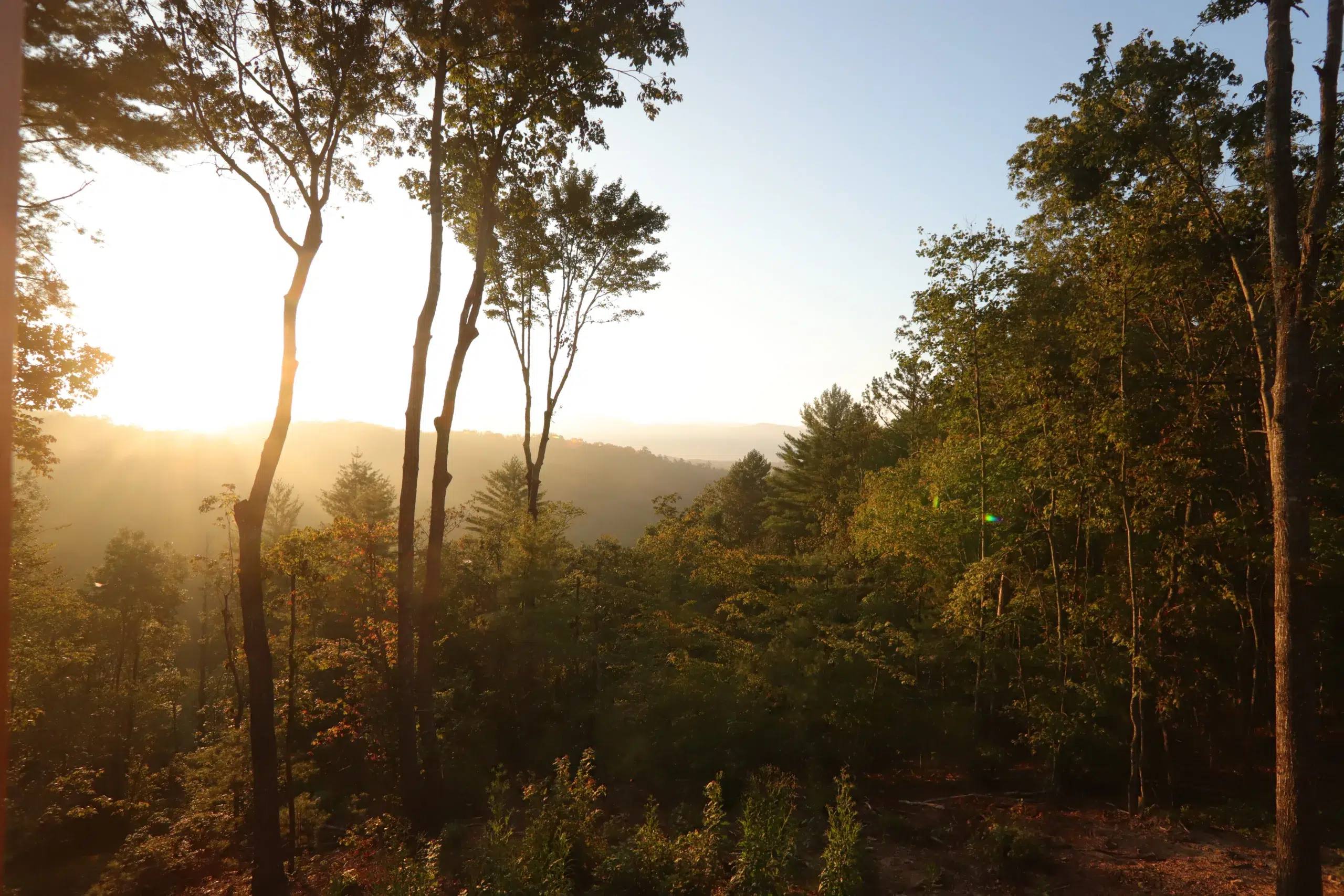
By contributing author Angie NasrallahIt’s morning and you open the door to let the dog out. Usually, you just scoot the dog outside and shut the door, but this time, you are drawn to step outside into the dusk hour air. You breathe in deeply and notice that the ground crickets are chirping their soft rhythm, and it’s slightly cooler. The humidity has lifted somewhat and the air is thinner. It’s still dark at 7 am and you detect the faint, fresh aroma of the fragrant tea olive in the vicinity. You breathe out with a pleasant sigh, “It’s shoulder season!”
Even before the weather begins to soften, nature begins to signal that changes are afoot. In the south, where I live, this time begins in late August and ends in late September or early October. There are blatant signs, such as the presence of acorns and spiders, but there are also numerous subtle signs that point to the shift. Right now, if you are intentional about being outside, paying close attention to the subtle signs of the shift, you will gain an appreciation for this beautiful, often overlooked transitional time of the year.
This post may contain affiliate links, which means I make a small commission at no extra cost to you. You can view my Privacy Policy Here.
What is the Shoulder Season?
If you look up the term “shoulder season,” you will find articles discussing the best time to travel to save money and avoid crowds. Yet, there’s another shoulder season that overlaps with that travel shoulder season: the natural shoulder season. To understand the term, we look at the human body. The shoulder is that part connecting the torso to the arm. In nature, the shoulder is that time connecting late summer to fall or late winter to spring.
While the travel shoulder season will send you on an adventure where you can save a few bucks in accommodations, nature’s shoulder season will send you into nearby woods to observe and listen.
Come along with me to learn about these subtle, yet delightful changes.
Light
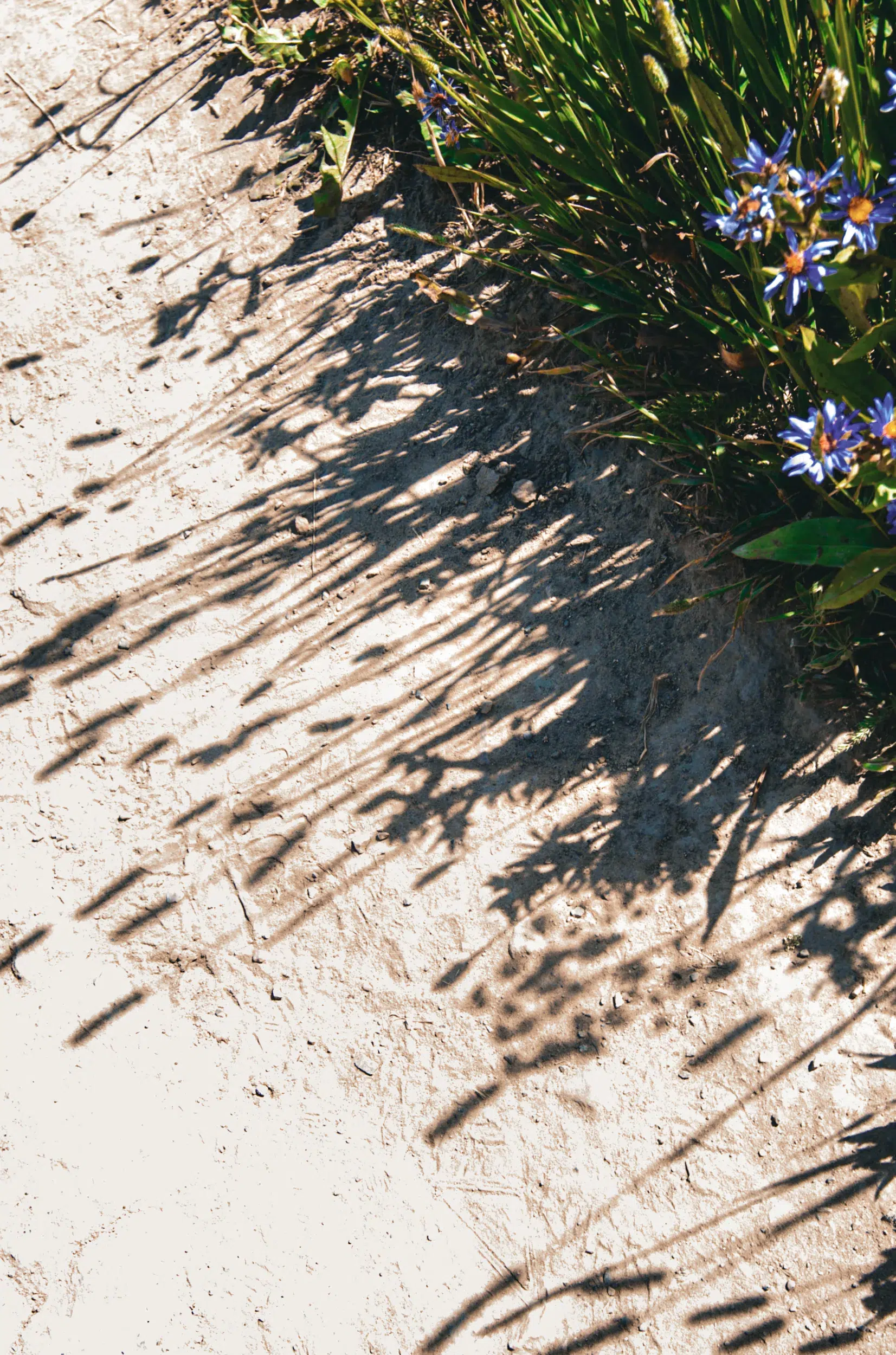
Light plays a major role in understanding the shoulder season. Because late summer occurs two months after the summer solstice, the Earth’s tilt on its axis causes the northern hemisphere to be pointed away from the sun. As we approach the fall equinox the earth’s tilt means the sun’s rays hit the northern hemisphere at a lower angle in the sky. This angle means you will experience a softening of the sun’s rays at midday and a longer golden hour in the late afternoon. For us southerners, this softening sunshine eases temperatures, with the sun setting earlier and the shadows being more elongated and pronounced. When you go outside, notice that the sunshine is coming across your yard at a different angle than it was in the spring. With September days often drier and clearer, there’s less haze and humidity to obstruct the beautiful shadows cast by the sun. Take a few minutes this week to discover these wonderful light effects that nature provides us in the transition of seasons.

Flora
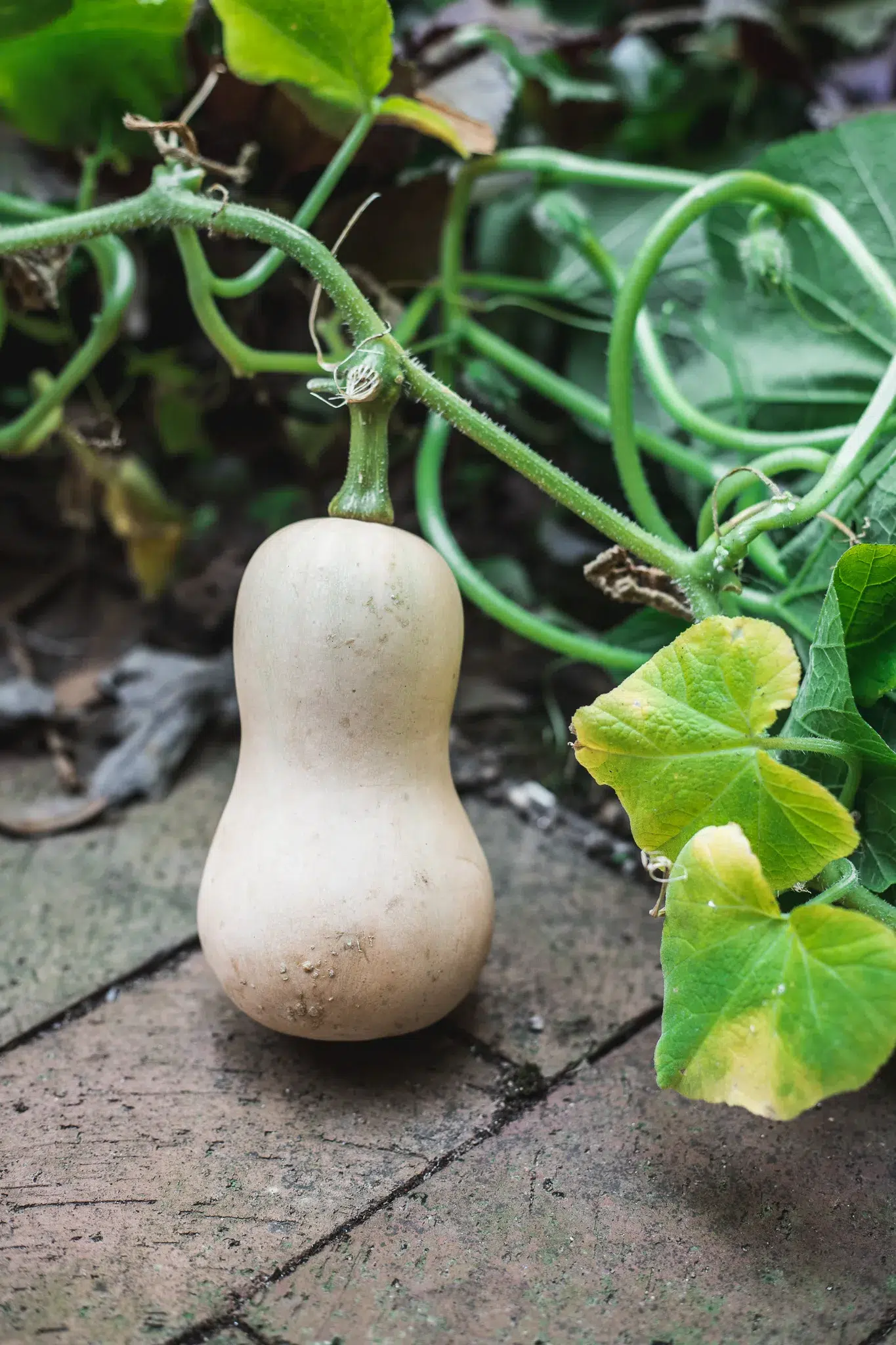
As summer comes to a close, many fruits and vegetables are ripening and are on sale at your local farm stand. Living near an apple region, we always pick or purchase a half bushel of apples in September so that we can enjoy cooking and eating them all through the season. Gala, Honeycrisp, and McIntosh are mid-season apples that are sweet, tangy, and great for cooking. In some regions, peaches are just finishing up, so grab them while you can. The late season September Snow or Belle of Georgia are white peaches with firm, juicy flesh that are great for baking or snacking.
Mushrooms
If the weather has been rainy or damp in your area this summer, you will see mushrooms emerging in the wooded areas in late August and September. If you are familiar with mushrooms and have training, mushroom foraging is plentiful this time of year. This is a favorite website for more information on mushrooms! If you’re more of an observer like me, you will enjoy the various colors and varieties of fungi erupting from the forest floor, along decaying trees or even in grassy lawns.
Acorns
Acorns that have matured in late August or early September will begin to fall from certain varieties of Oak. Ripe acorns easily detach and fall from the tree, creating a bed of acorns for squirrels and chipmunks to forage and seize. Watching these critters scurry about after the tree nuts can be amusing and relaxing on a warm afternoon.
Flowers
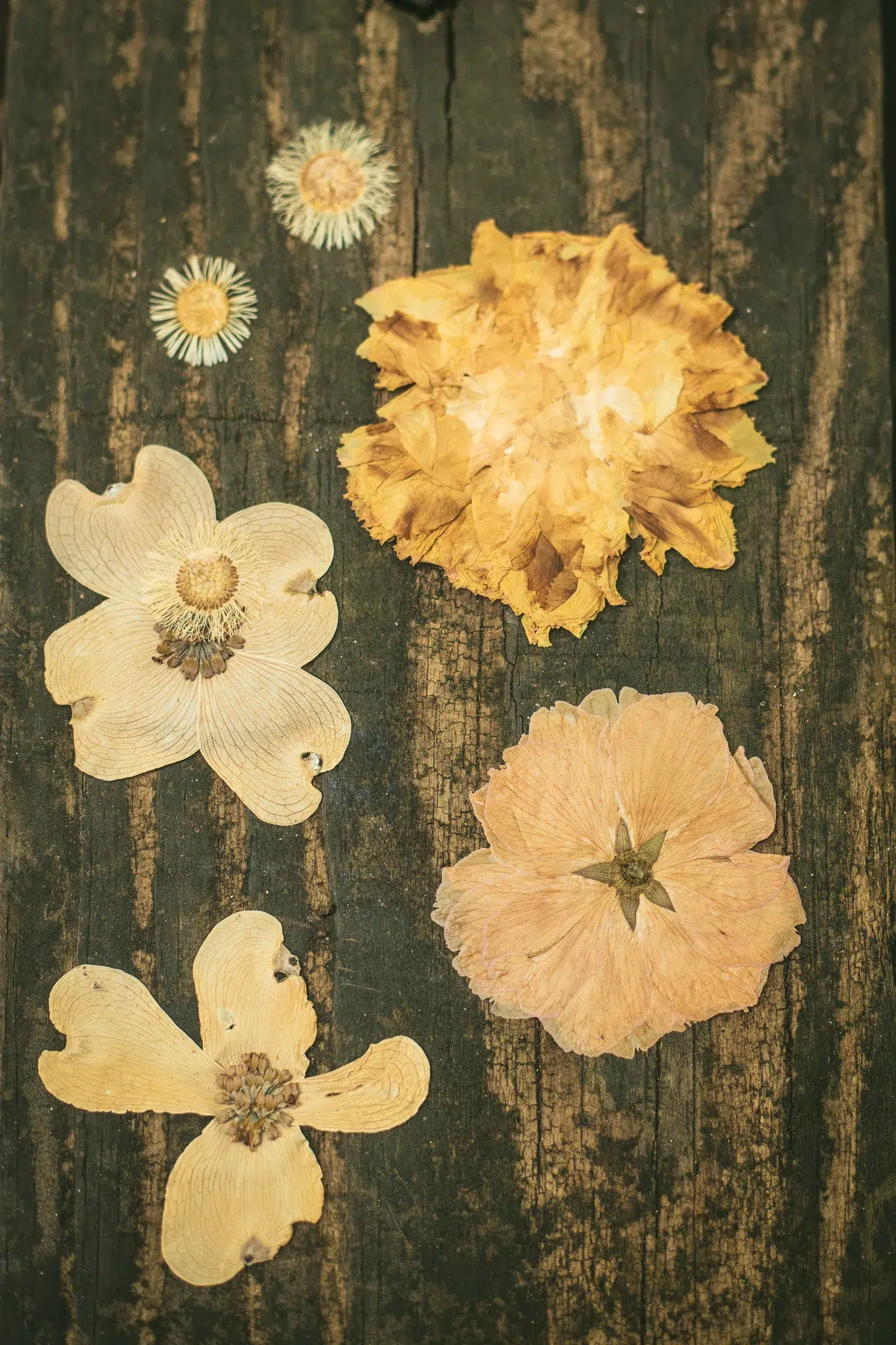
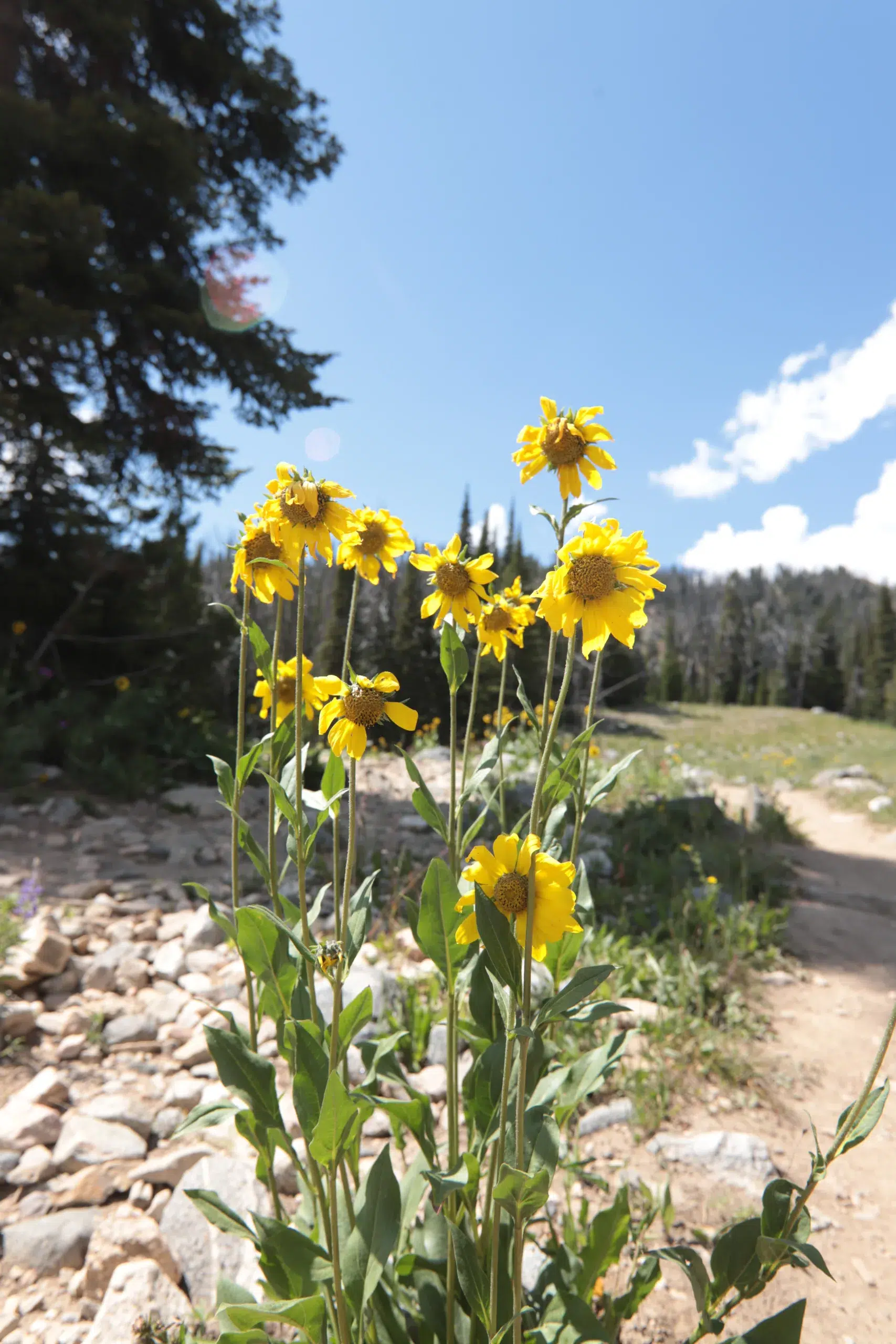
Late summer flowers are a thing to behold, regardless of where you are. Asters, purple cornflower, golden rod, the swamp sunflower, Black-eyed Susan, and ironweed are varieties of native wildflowers that grow in the southern Appalachian Mountains. These flowers attract numerous pollinators when they are in full bloom in late August to late September, depending upon your location. If you are in a different region, look for those native varieties that are blooming now. Take a few minutes one afternoon to watch the butterflies and bees soak in the last of summer’s pollen. If you live in a suburban setting, look for vibrant butterfly bushes, fragrant tea olives, sunflowers, and other late summer bloomers in your area. You may even want to consider planting these late-blooming varieties to bring color and pollinators to your garden during the shoulder season.
Fauna
Birds and bears
Intuitively, birds and mammals know that fall is coming. Accordingly, the hummingbirds are in full swing right now, fattening up on nectar and hitting the feeders to prepare for their journey south in a few weeks. Here in north Georgia, the hummers will hit my feeders until about October 1. We love hearing them hum around the feeders in the afternoons. Just last week, out on our front deck, a ruby throated hummingbird came right up to my husband’s red checkered pajamas and buzzed around, almost landing, in his search for nectar. Keeping the feeders full every year lets the hummingbirds know we are a local, reliable food source on their countdown to migration day.
The bears are also roaming about, eating every bit of ripened berry, root, tuber, and insect they can get their paws on. Black bears also eat ripened acorns and hickory nuts that have fallen. Last week, on a walk, we used a stick to pry open a chunk of bear scat to discover numerous muscadine grape skins and smallish seeds embedded throughout. My husband and I usually poke at the scat we’re seeing on the trail to conjecture what kind of animal has been before us. It means slowing down our pace a bit to stop and observe.
Spiders
Spiders always emerge here in late August, regardless of how much rain we’ve had. The Joro spider or Trichonephila clavata, a native of East Asia, was first discovered here in Georgia in 2014. It managed to stow away on a shipping container and entered the US through a Georgia port. Now you can find them all through the southeast and even as far away as Maryland and Oklahoma. They grow quite large at 3 to 4 inches across. They are invasive, to say the least, and make our walk through the woods a bit of an obstacle course. One of my top worst things to experience is to run face first into a web with the top worst being to face plant with the actual spider and have him crawl down my body. So, now I always walk with a “spider stick” in August and September. The spider stick is a small, lightweight branch that I wave continuously across the front of my path anytime I walk in the woods. Any spiders and webs are caught in the branch and not on my face as we walk the trails. Joros, orb weavers, and other spiders mostly disappear by mid to late-October, especially if we’ve had a strong hurricane or a decent late summer storm. The orb weavers make fantastic symmetrical webs and the Joros make extremely durable webs. Both are interesting to observe and photograph.
There are so many more wonders of the shoulder season; I could write volumes. Beyond the acorns, the flowers, the ripened fruits and nuts, the beautiful, soft light and the hummingbirds, each region of the country has its own bounty to see and experience. So, instead of wishing for fall to “hurry up and arrive,” make some time to spend outside today to enjoy the beauty and detail of the season at hand.
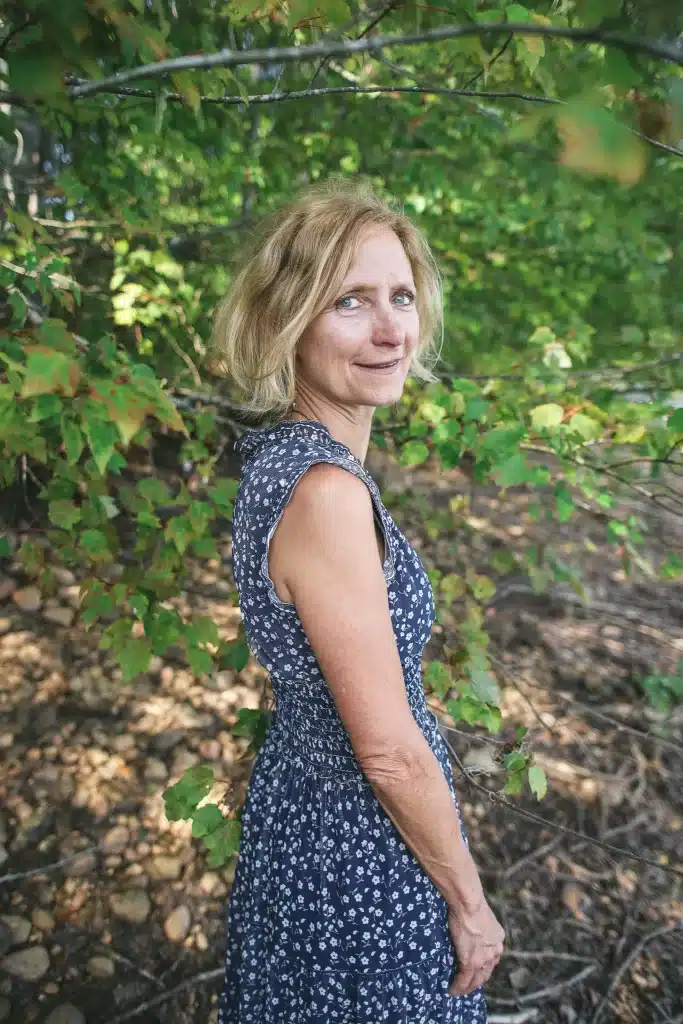
Contributing Author, Angie Nasrallah
Angie is a writer, hybrid educator, and mother of five who loves to spend her time in nature. Her passion for beauty and the outdoors is what inspires her contributions to Through the Wildwood, her daughter’s blog. From her writing, you will be inspired to get outside, slow down, notice beauty, and create something with your hands.
Leave a Reply